EXHIBITION :
Deconstructing Dress : 200 years of slow fashion
Introduction
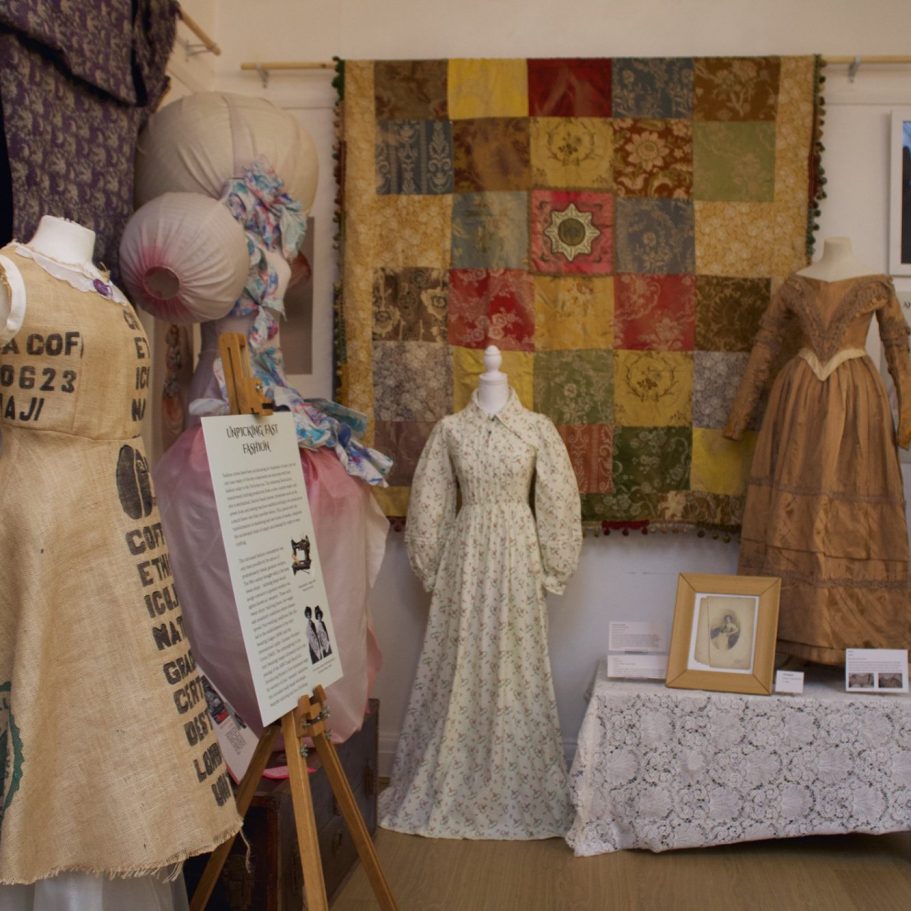
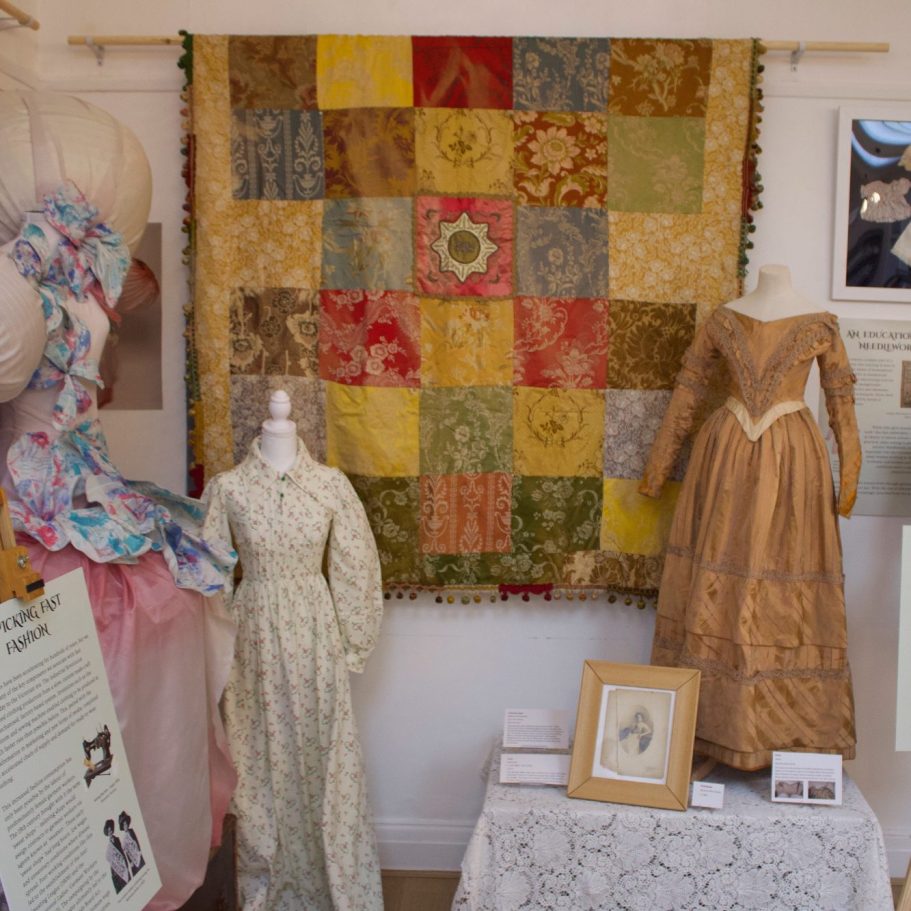
For most of human history, mending clothes was an essential, everyday survival skill. Because fabric was labor-intensive and expensive to produce, people mended, patched, and altered garments continuously until the cloth completely fell apart, then repurposed the scraps into quilts or rugs.
With the prevalence of inexpensive fast fashion, today the need to mend clothing is no longer the same economic necessity. However, due to the rise of climate change, it is becoming an environmental necessity, with many re-evaluating their relationship with disposable fashion.
An Education in Needlework
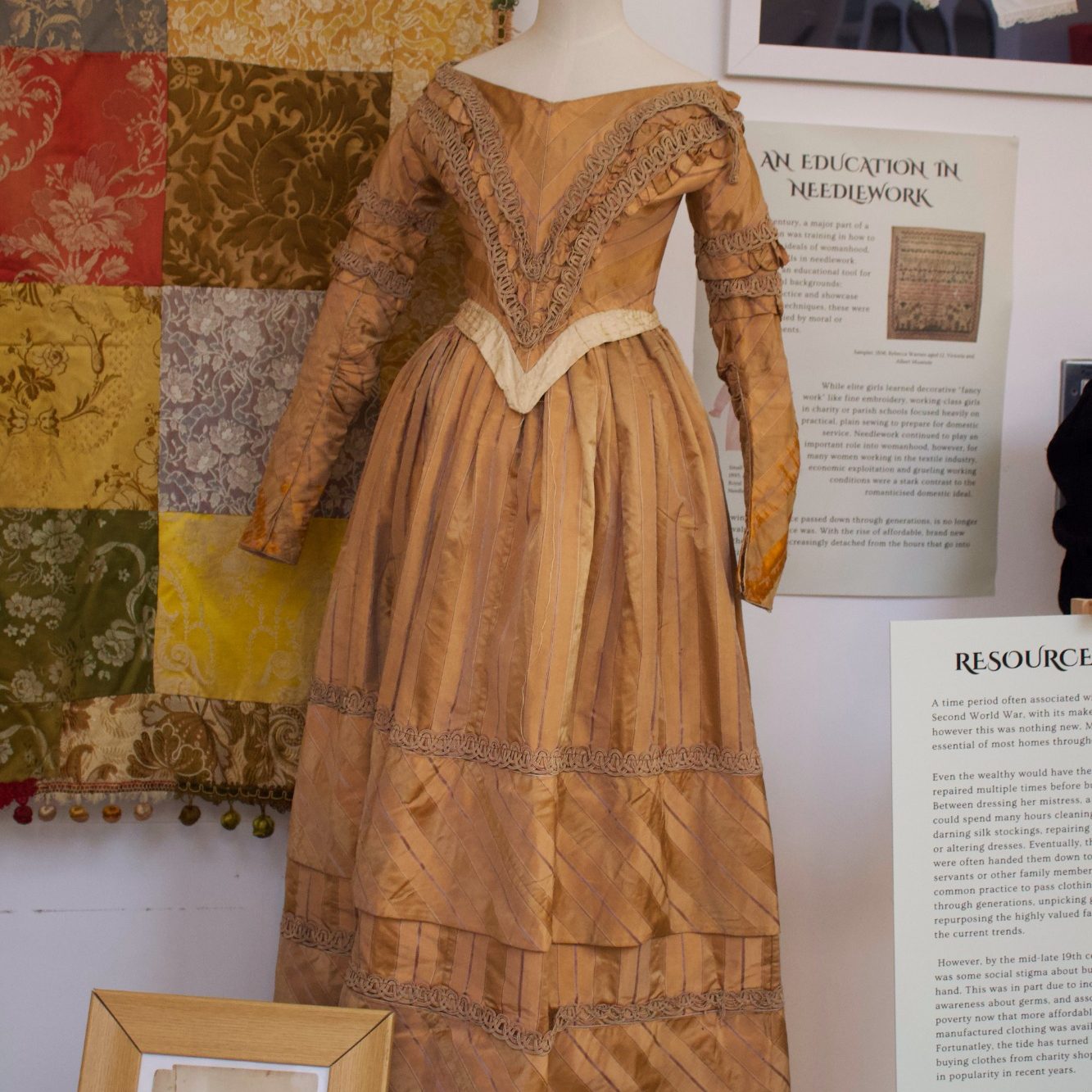
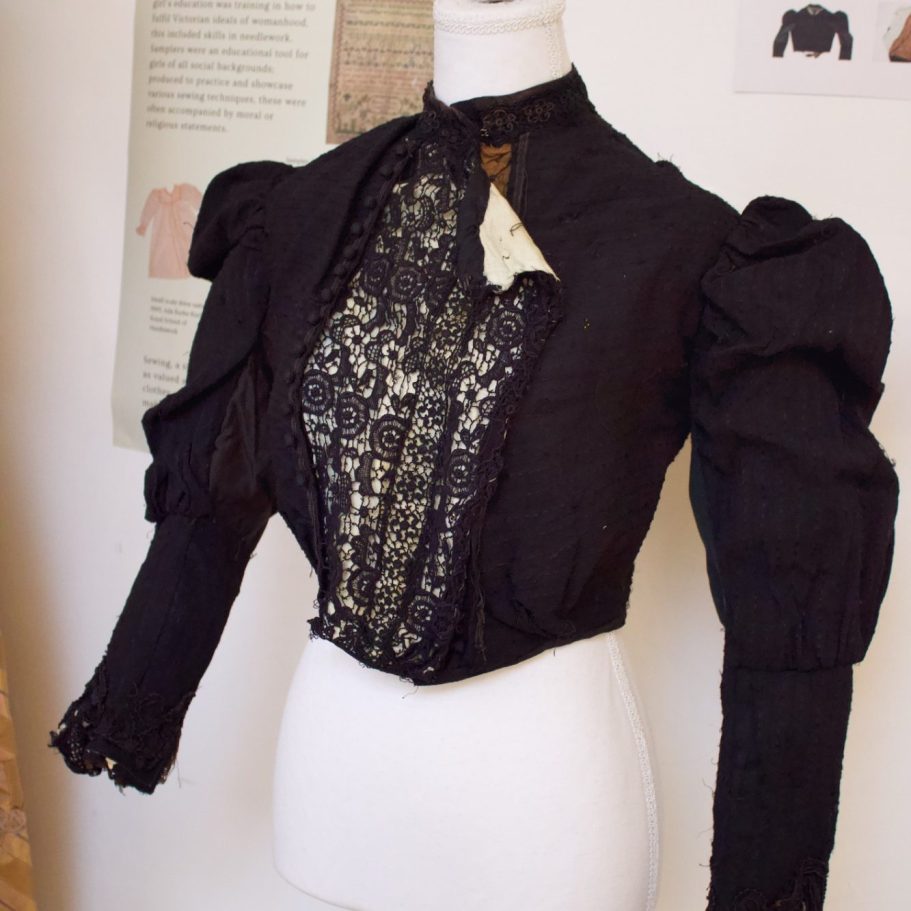
In the 19th century, a major part of a girl’s education was training in how to fulfil Victorian ideals of womanhood, this included skills in needlework. Samplers were an educational tool for girls of all social backgrounds; produced to practice and showcase various sewing techniques, these were often accompanied by moral or religious statements.
While elite girls learned decorative "fancy work" like fine embroidery, working-class girls in charity or parish schools focused heavily on practical, plain sewing to prepare for domestic service. Needlework continued to play an important role into womanhood, however, for many women working in the textile industry, economic exploitation and grueling working conditions were a stark contrast to the romanticised domestic ideal.
Sewing, a skill once passed down through generations, is no longer as valued as it once was. With the rise of affordable, brand new clothes, we are increasingly detached from the hours that go into making garments.
Resourceful Style
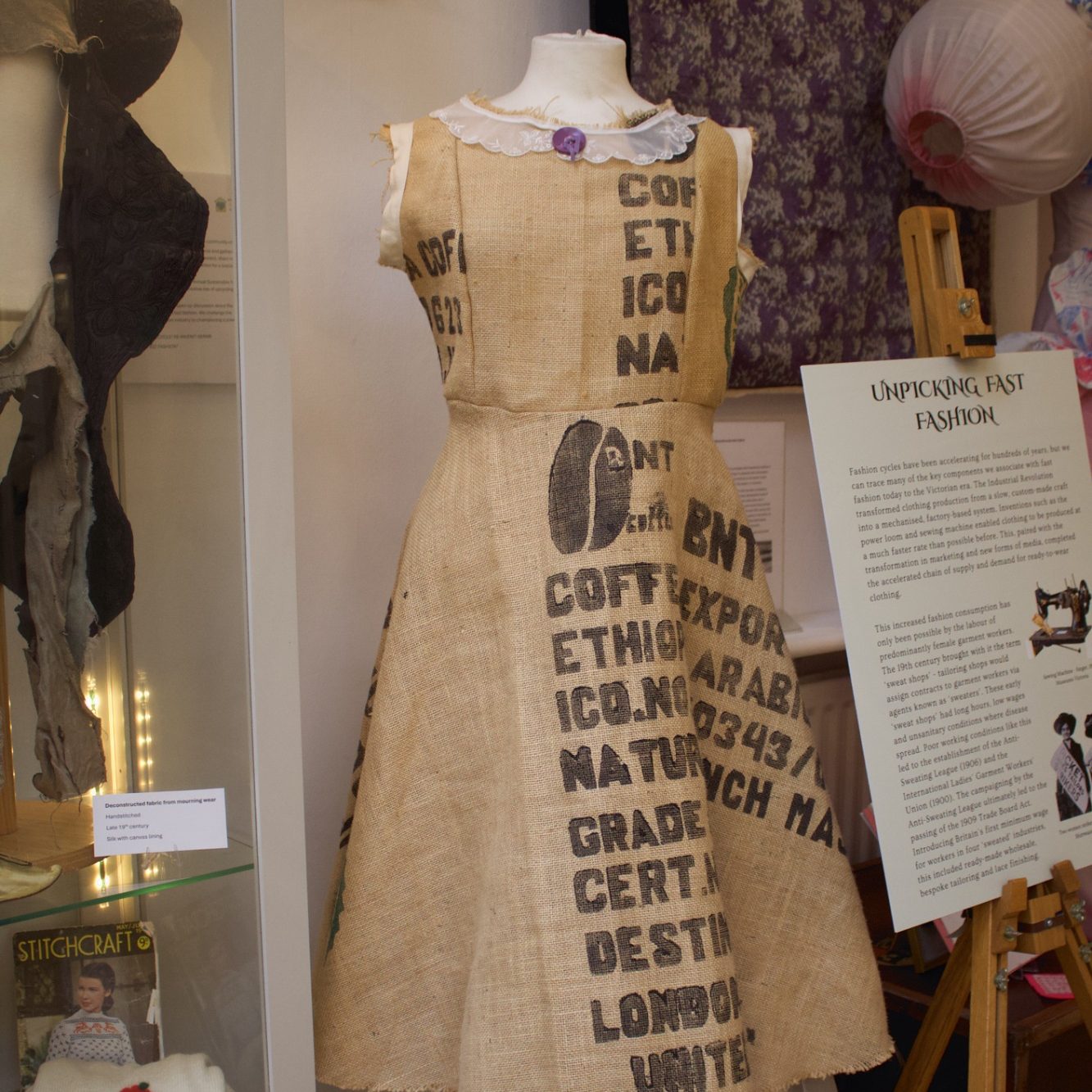
Fashion cycles have been accelerating for hundreds of years, but we can trace many of the key components we associate with fast fashion today to the Victorian era. The Industrial Revolution transformed clothing production from a slow, custom-made craft into a mechanised, factory-based system. Inventions such as the power loom and sewing machine enabled clothing to be produced at a much faster rate than possible before. This, paired with the transformation in marketing and new forms of media, completed the accelerated chain of supply and demand for ready-to-wear clothing.
This increased fashion consumption has only been possible by the labour of predominantly female garment workers. The 19th century brought with it the term ‘sweat shops’ - tailoring shops would assign contracts to garment workers via agents known as ‘sweaters’. These early ‘sweat shops’ had long hours, low wages and unsanitary conditions where disease spread. Poor working conditions like this led to the establishment of the Anti-Sweating League (1906) and the International Ladies' Garment Workers' Union (1900). The campaigning by the Anti-Sweating League ultimately led to the passing of the 1909 Trade Board Act. Introducing Britain's first minimum wage for workers in four ‘sweated’ industries, this included ready-made wholesale, bespoke tailoring and lace finishing.
The Human Cost of Fast Fashion
As the unions improved the lives of garment workers in the UK the industry decided to make a move.
From the 1950s - 1990s garment production began to move overseas primarily to places like Pakistan, China, India, Bangladesh & Turkey. Fast fashion brands saw an opportunity to exploit the lack of union power overseas, keeping their labour cost low and profits high.
The early 2000s then gave way to the ‘fast fashion’ we so often reference today. Boohoo launched in 2006 and was quickly followed by Shein, PLT & Temu. Unfortunately their incredible profits once again did not make their way into the hands of the garment workers, with reports of Boohoo factory workers earning as little as 29p per hour (2020).
The fight for fair pay and a safe working environment continues, in April 2026 1,000 workers for Orient Craft Fashion Industries in India protested over alleged unpaid salaries. But now this fight has moved overseas, will it also move out of our conscience? The balance of cheap and accessible fashion for all & the rights of those making them seem to be forever in conflict.
Fashion Rebels
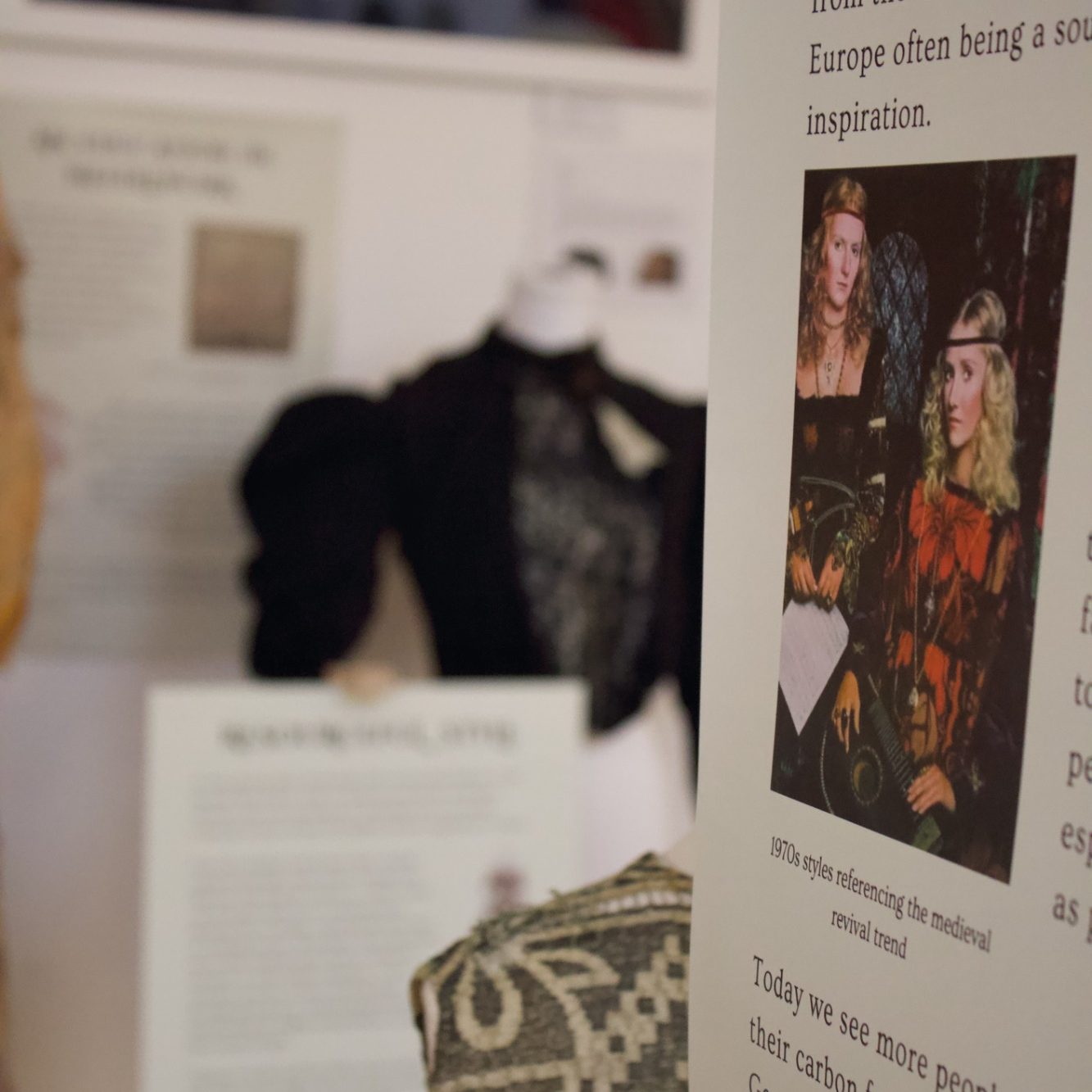
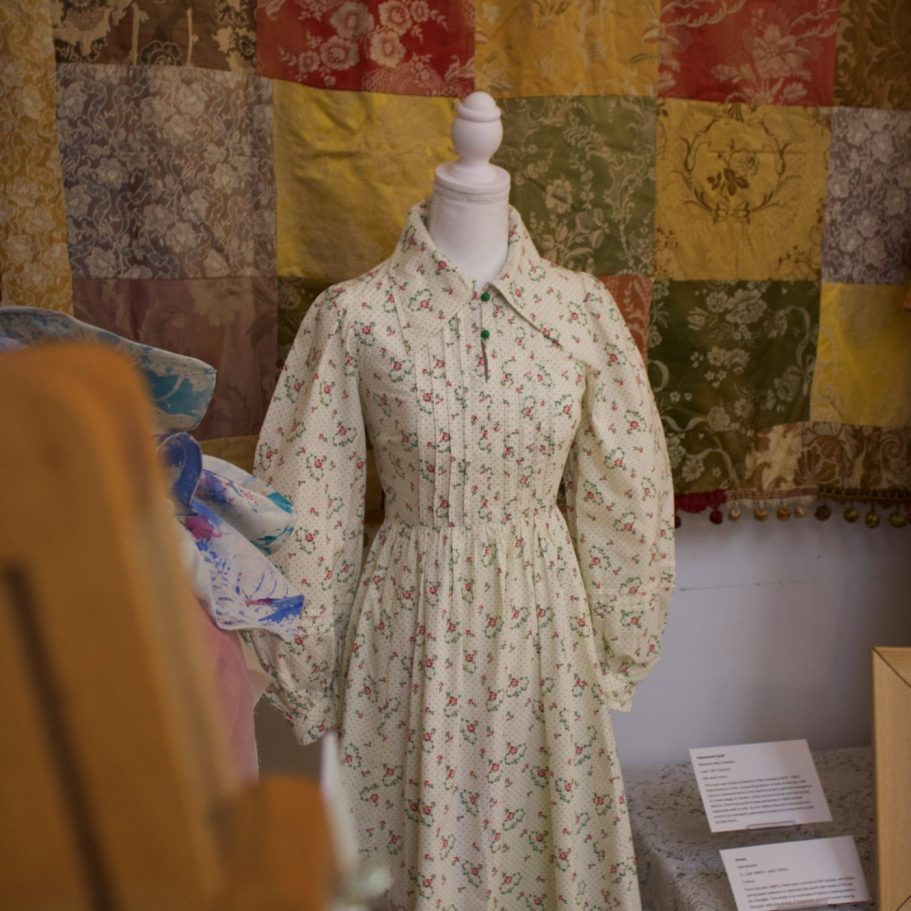
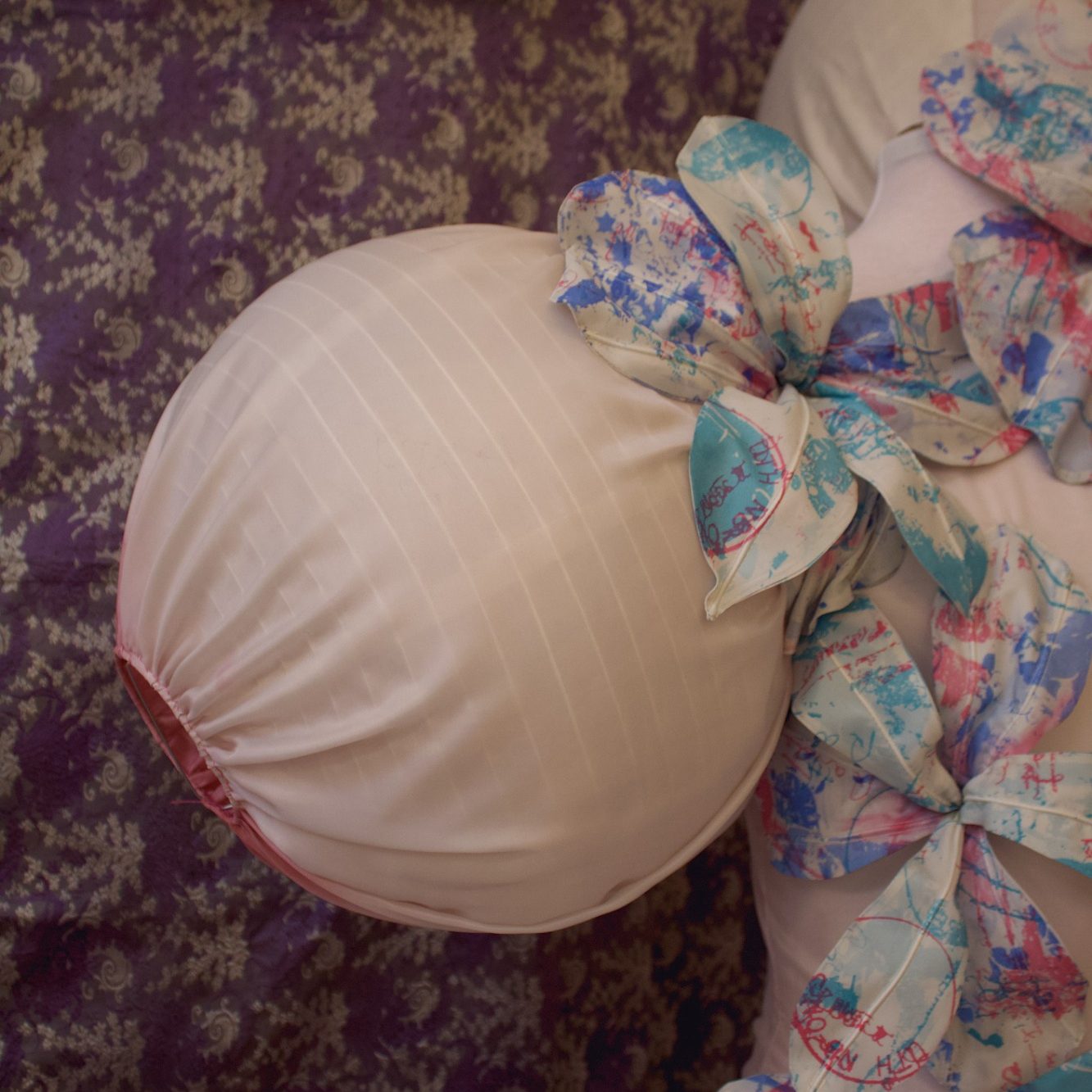
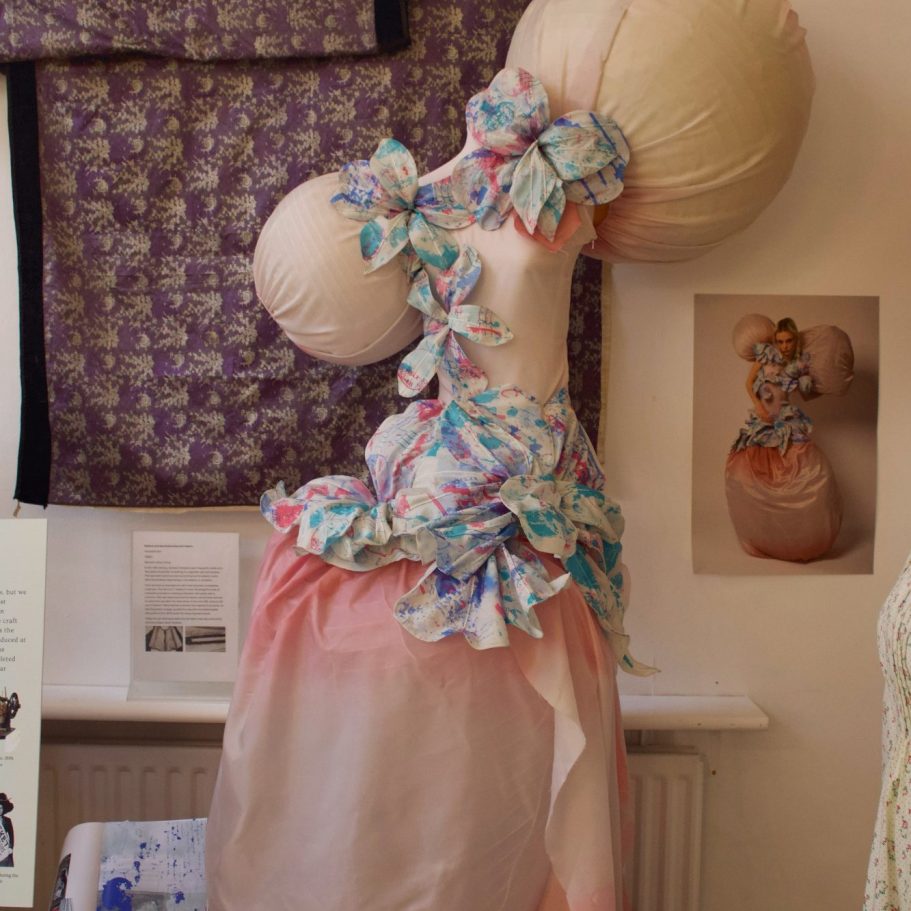
By the late 19th century, counterculture circles in Britain were starting to question rapid industrialisation and mass-manufactured textiles, notably the bohemians of the aesthetic dress movement. They rejected the push for consumers to keep up with increasingly rapid fashion cycles. Alternatively, they promoted handmade clothing and natural dyes, with historical clothing from the Renaissance and medieval Europe often being a source of inspiration.
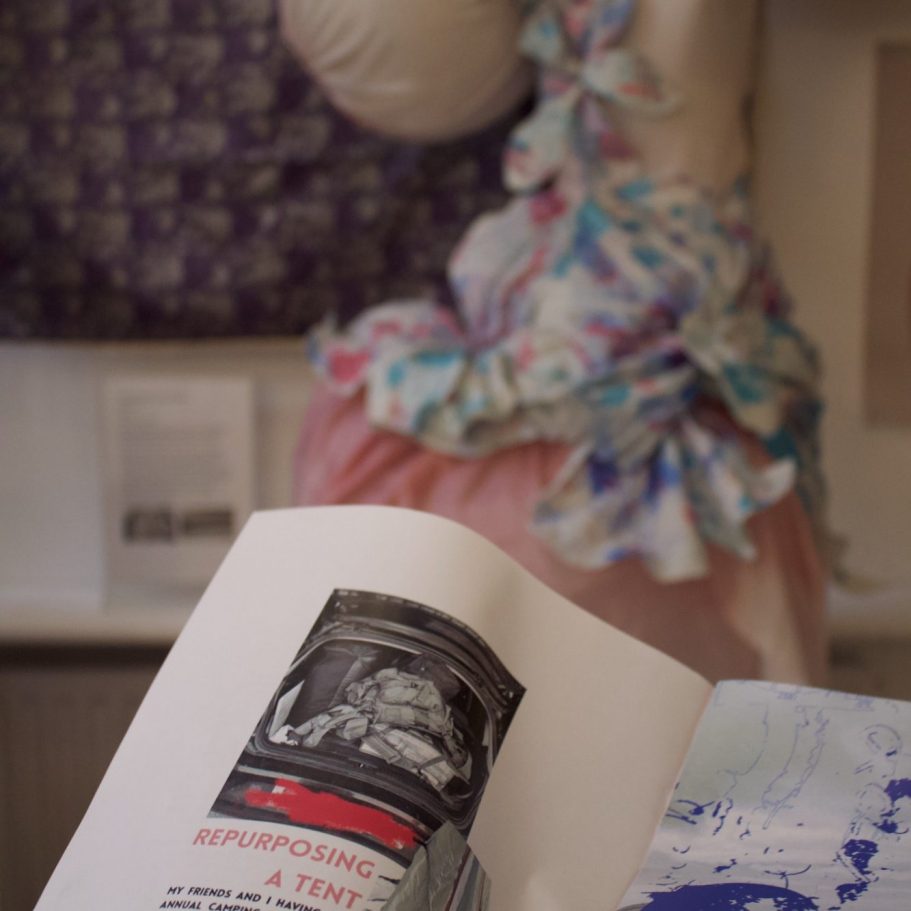
These sentiments were echoed by youth movements from the late 1960’s and 1970’s. Growing environmental awareness and a rejection of mass-consumerism led to new shopping trends that favoured second hand fashion and natural fibres. Upcycling to create new styles that reflected personal expression became popular, especially amongst subcultures such as punk and goth.
Today we see more people opting for pre-loved goods to lower their carbon footprint and avoid fast-fashion waste, with Generation Z and Millennials leading the shift. The global resale market is projected to reach hundreds of billions of dollars due to the popularity of apps including Depop and Vinted.
The Dress Makers Cabinet
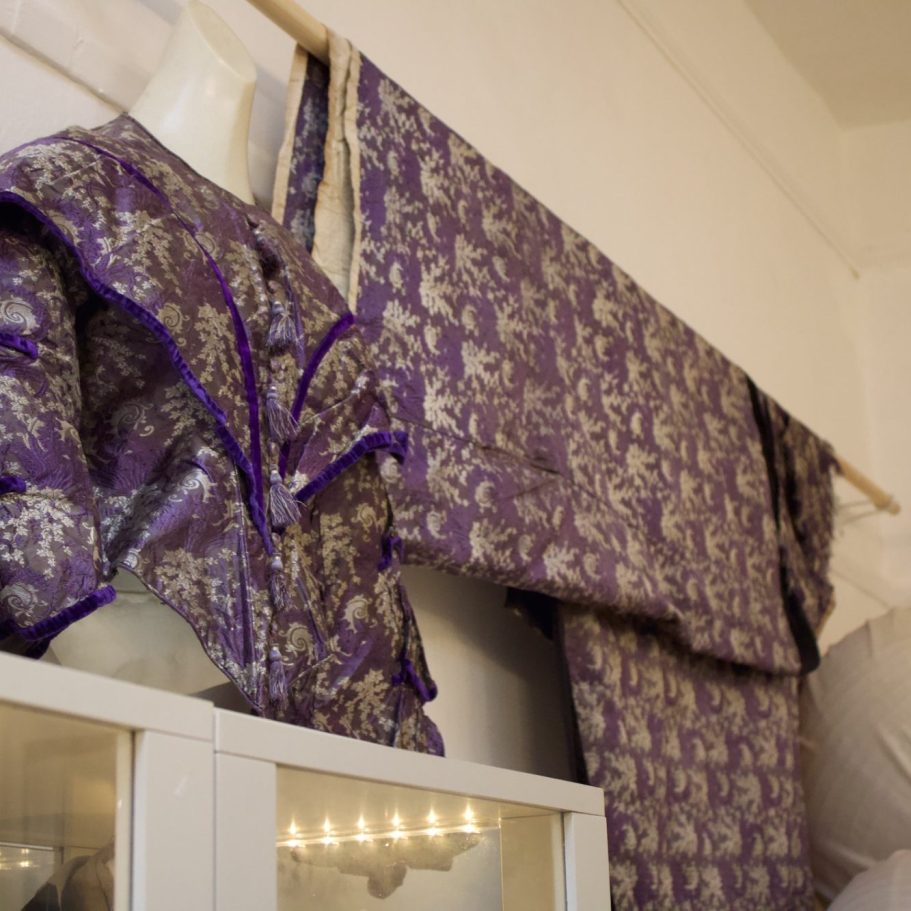
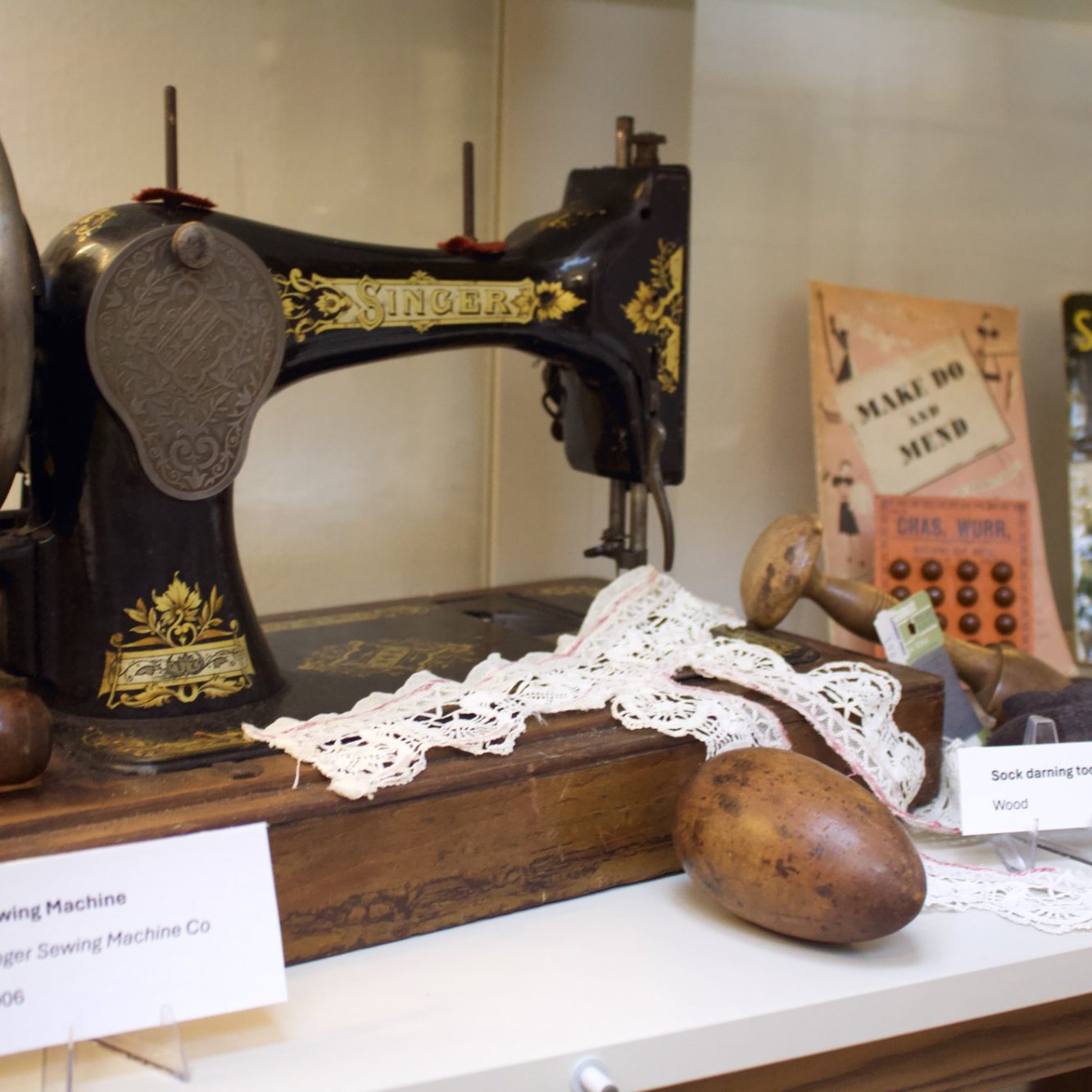
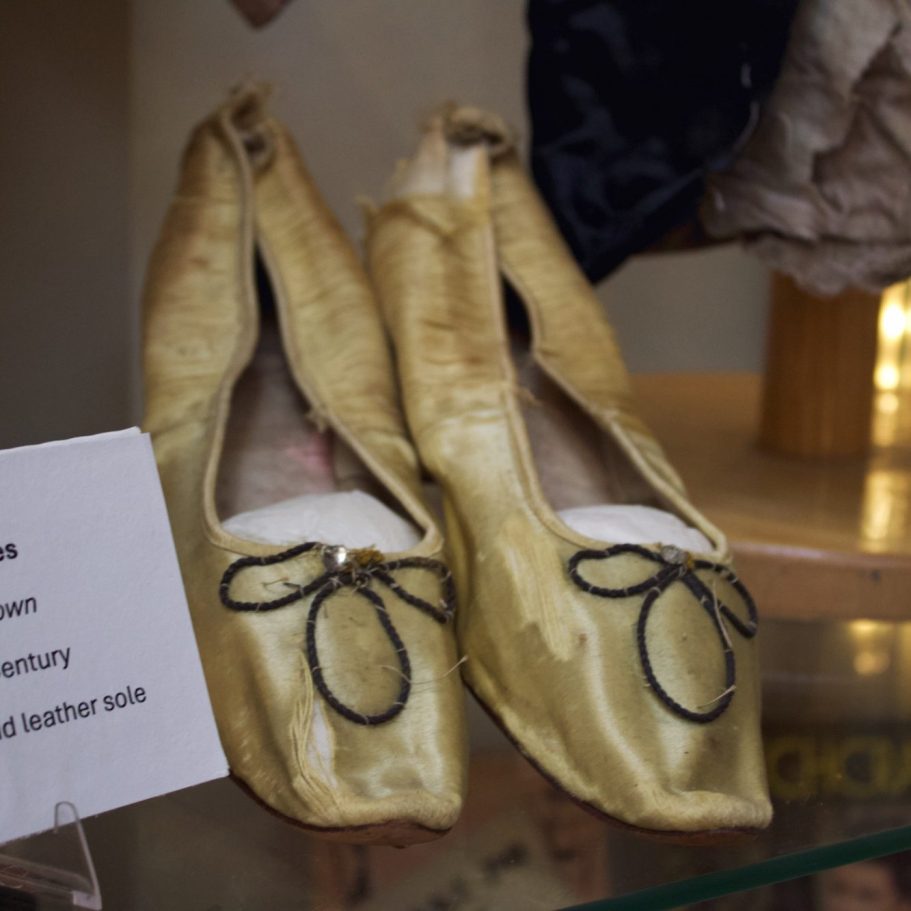
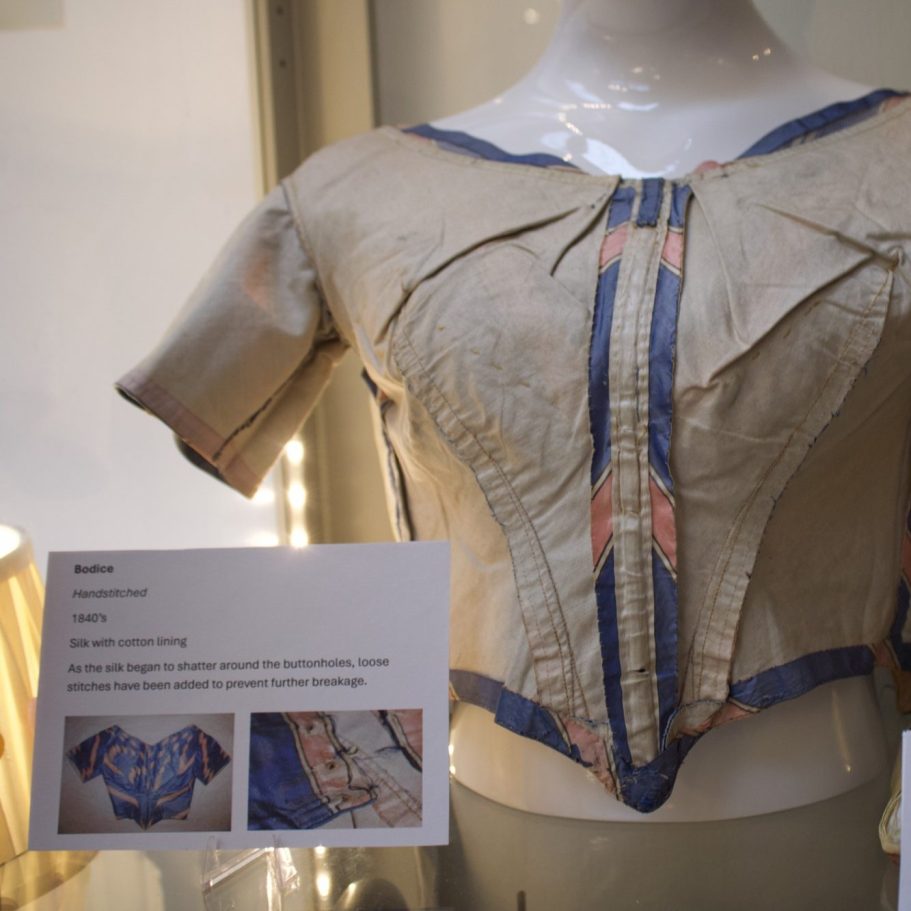
Take a look inside the dressmaker’s cabinet, here you can see deconstructed clothing alongside a range of objects used for sewing, repairing and upcycling garments. In museums, dress conservators use their specialist skills to preserve costume collections for future generations. Fabrics such as silk are especially sensitive to light, humidity and temperature fluctuations, so these must be closely monitored. This enables us to research the clothing, using it as an educational tool and pass on their stories hidden beneath the seams.
Fashion Cycles
During the 18th century, fashion cycles were annual, however with the emergence of fashion magazines, new trends were promoted monthly by the 19th century. From the early 20th century, seasonal structures dominated ready to wear styles. Today, trends are changing even quicker, Shein uploads new items to their website every single day - designed as disposable single use fashion which often ends up in landfill.